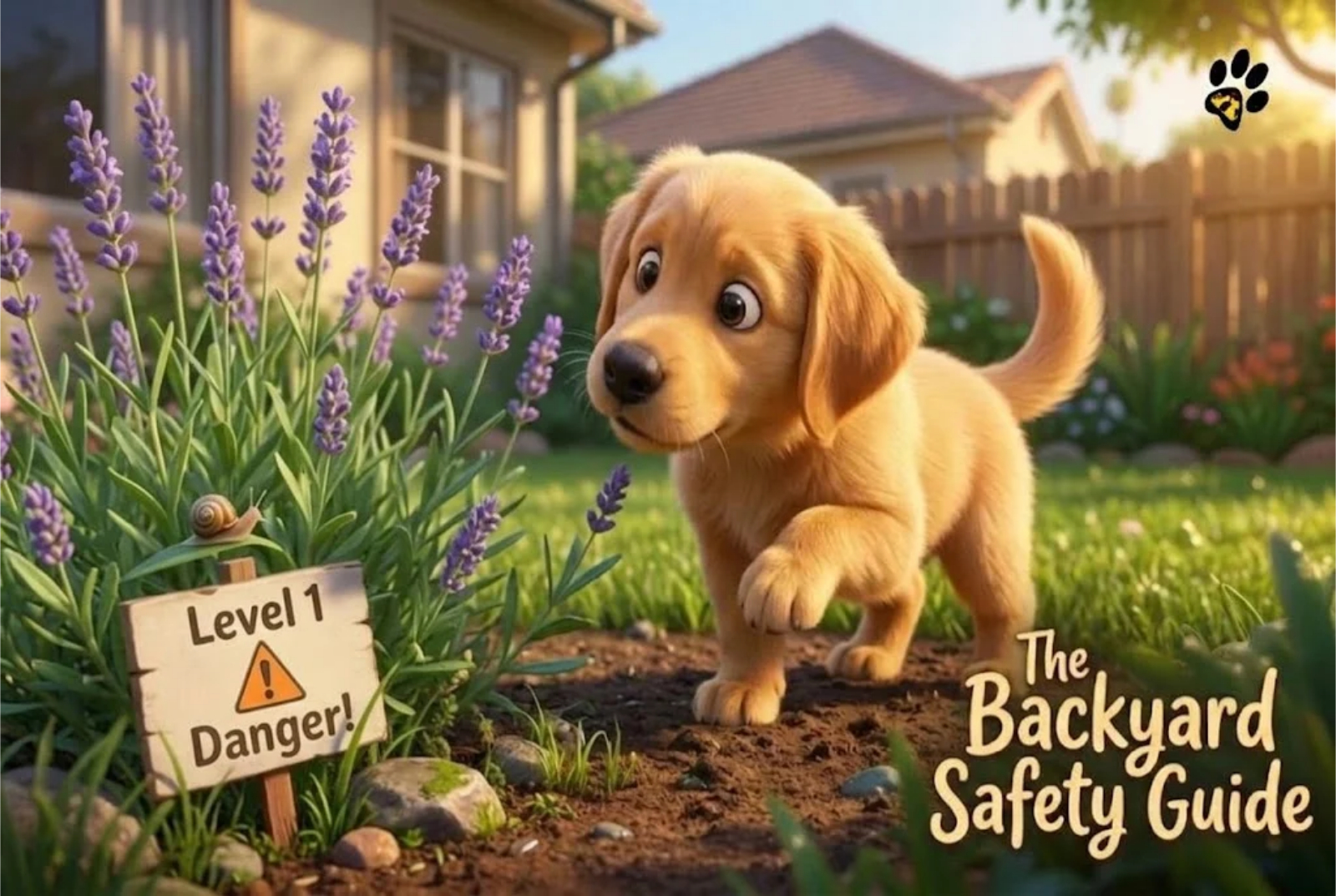
Part 4: Level 1 Pests (Snails, Slugs & The Bait Trap)
Listen to this article:
Welcome to the final installment of our Backyard Safety Guide. While Level 3 covers organ toxins and Level 2 covers caustic sap, Level 1 Pests deal with everyday garden invaders—and more importantly, how we treat them.
In coastal areas like the Western Cape, damp mornings bring out garden snails and slugs by the dozen. While a curious puppy trying to lick a snail might seem harmless, the real threat often comes from what we put out to kill them.
The Hidden Dangers in the Lawn
Garden Snails & Slugs (Molluscs)
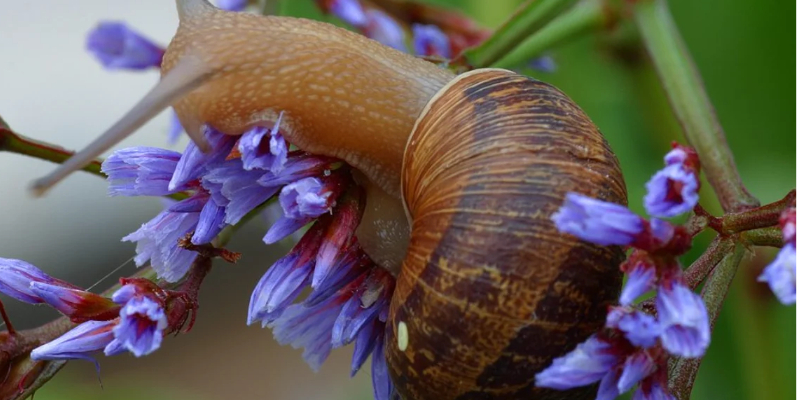
The Danger: Snails and slugs can act as intermediate hosts for parasites like lungworm and heartworm if ingested by a dog. Furthermore, their slimy trails can carry bacteria that cause mild stomach upsets, and crunching on shells can damage teeth or gums.
Symptoms to Watch For: Excessive foaming at the mouth, occasional vomiting, coughing, or respiratory sluggishness if parasites are transmitted.
Snail Bait / Metaldehyde Pellets
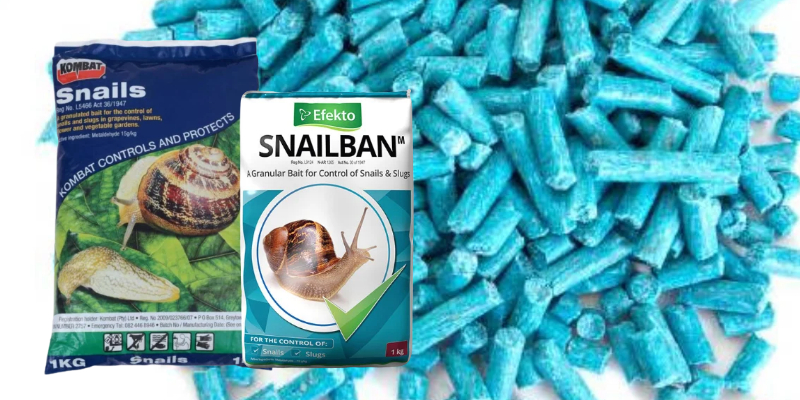
The Danger: This is the true emergency of Level 1. Traditional snail baits are heavily laced with metaldehyde or methiocarb, which are formulated to smell and taste appetizing to pests—unfortunately, dogs find them equally delicious. Ingesting even a small amount acts as a powerful neurotoxin.
Symptoms to Watch For: Rapid onset of muscle tremors, anxiety, uncoordinated staggering, severe drooling, heavy panting, and horrific seizures. This requires immediate veterinary intervention.
The Kahu Action Plan
If you need to treat your garden for snails, never use open or pelleted metaldehyde baits where your dogs have access. Instead, switch strictly to pet-safe, iron-chelate-based organic deterrents (often labeled as "pet safe").
If you suspect your dog has eaten conventional snail bait, do not wait—collect any remaining packaging and rush them to the vet immediately. Time is everything when managing neurological toxins.
Thank you for journeying through our Backyard Safety Guide! Check back on The Kahu Journal for more tips on keeping your furry family safe.