
Part 2: Level 3 Toxins (Severe & Systemic)
Listen to this article:
Welcome to Part 2 of our Backyard Safety Guide. Today, we are tackling the heavy hitters: Level 3 Toxins. These are plants that do not just cause a mild stomach upset; they attack internal organs, the cardiovascular system, or the central nervous system.
Many of these plants are incredibly popular in the Garden Route area because they are hardy, wind-resistant, and beautiful. You will often see them heavily planted in estates like Pinnacle Point, Dana Bay, and suburban Mossel Bay gardens.
The Garden Route's Most Dangerous Plants
Madagascar Periwinkle (Catharanthus roseus)
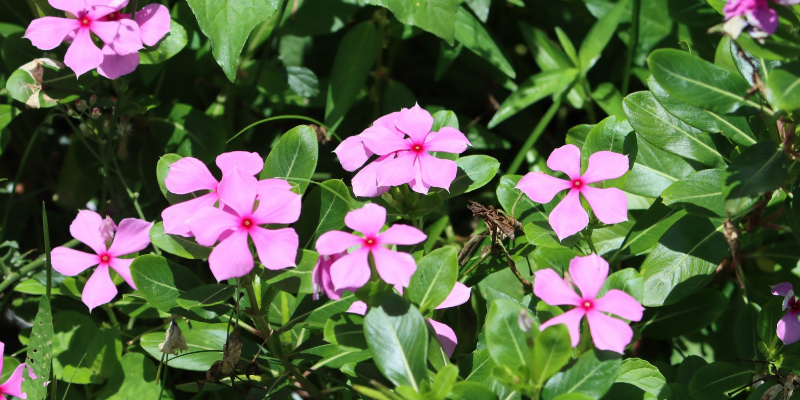
Common Names: Rooiwaterbossie, Vinca
The Danger: Contains powerful vinca alkaloids (compounds strong enough to be used in human chemotherapy). If chewed or swallowed, it causes severe internal poisoning affecting blood pressure, nervous system function, and digestion.
Symptoms to Watch For: Vomiting, severe lethargy, loss of coordination, muscle tremors, and suddenly low blood pressure.
Cycads / Sago Palms (Cycas species)
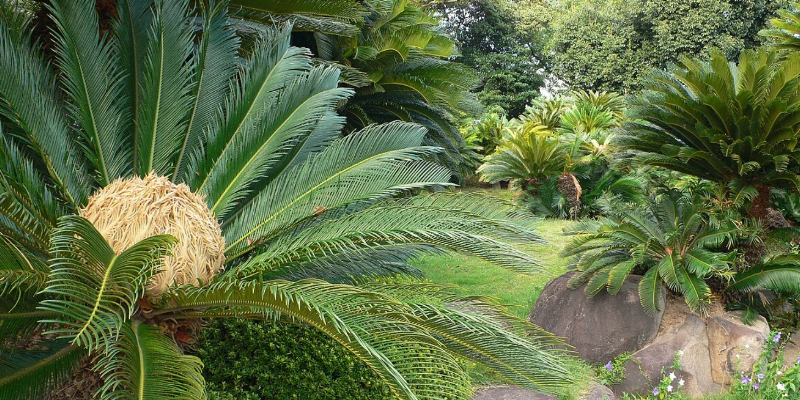
Common Names: Broodboom, Sago Palm
The Danger: Universally considered one of the deadliest landscaping plants for dogs. Every part of the plant is toxic, but the seeds (which dogs love to chew) are the worst. They contain cycasin, a toxin that causes rapid liver failure and internal clotting disorders.
Symptoms to Watch For: Vomiting (often with blood), dark stools, jaundice (yellowing of the gums/eyes), increased thirst, and lethargy. This is a severe medical emergency.
Oleander (Nerium oleander)
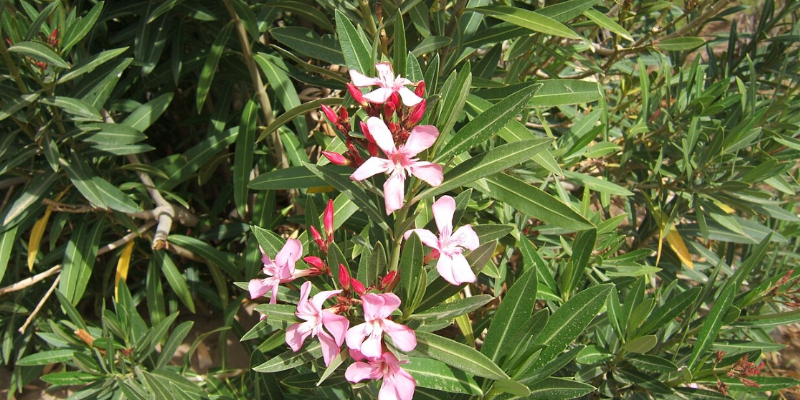
Common Names: Selonsroos, Oleander
The Danger: Often used as boundary hedging because it withstands coastal winds, Oleander contains highly potent cardiac glycosides. Even drinking water from a vase containing Oleander flowers or chewing a single dropped leaf can be fatal, as the toxins disrupt the heart's electrical system.
Symptoms to Watch For: Excessive drooling, abdominal pain, diarrhea, irregular heartbeat, and sudden collapse.
Yesterday-Today-Tomorrow (Brunfelsia)
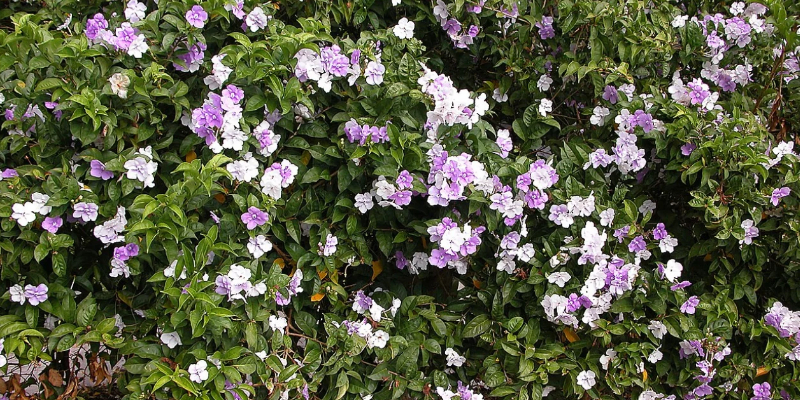
The Danger: Loved for its beautiful flowers that change from purple to lavender to white, this shrub is highly toxic. It contains neurotoxins (like brunfelsamidine) that aggressively attack the central nervous system.
Symptoms to Watch For: Severe muscle tremors, seizures that mimic strychnine poisoning, stiffness, and respiratory distress.
The Kahu Action Plan
If you have any of these plants in your garden, ensure they are securely fenced off so your dogs cannot access dropped leaves, berries, or seed pods. If you suspect your pet has ingested a Level 3 toxic plant, do not wait for symptoms to appear.
Grab a piece of the plant (or take a clear photo of the leaves and flowers) and head to your vet immediately. Time is critical when dealing with systemic toxins.
Up next in Part 3: We will be looking at Level 2 Toxins—caustic sap burners like the Firestick plant!