 Public Dog Laws Explained: Part 1
Beyond the Leash: The Unspoken Rules (and Laws) of Dogs in Public
Listen to this article:
When we step out of our front gates with our dogs, we step into a shared community space governed by local South African municipal by-laws. Most pet owners know the golden rule: keep your dog on a leash. But what happens when a leash simply isn't enough to guarantee safety?
The Leash is the Minimum, Not the Maximum
Here in the Western Cape and across the Garden Route municipalities, the law is clear: dogs must be on a leash in public streets and non-designated public areas. However, a leash is merely a tool for physical restraint; it is not a magical forcefield. As professional pet sitters, we constantly see well-meaning owners relying solely on a leash while completely ignoring the biological and behavioral realities of their animals.
The "On Heat" Hazard: A Recipe for Disaster
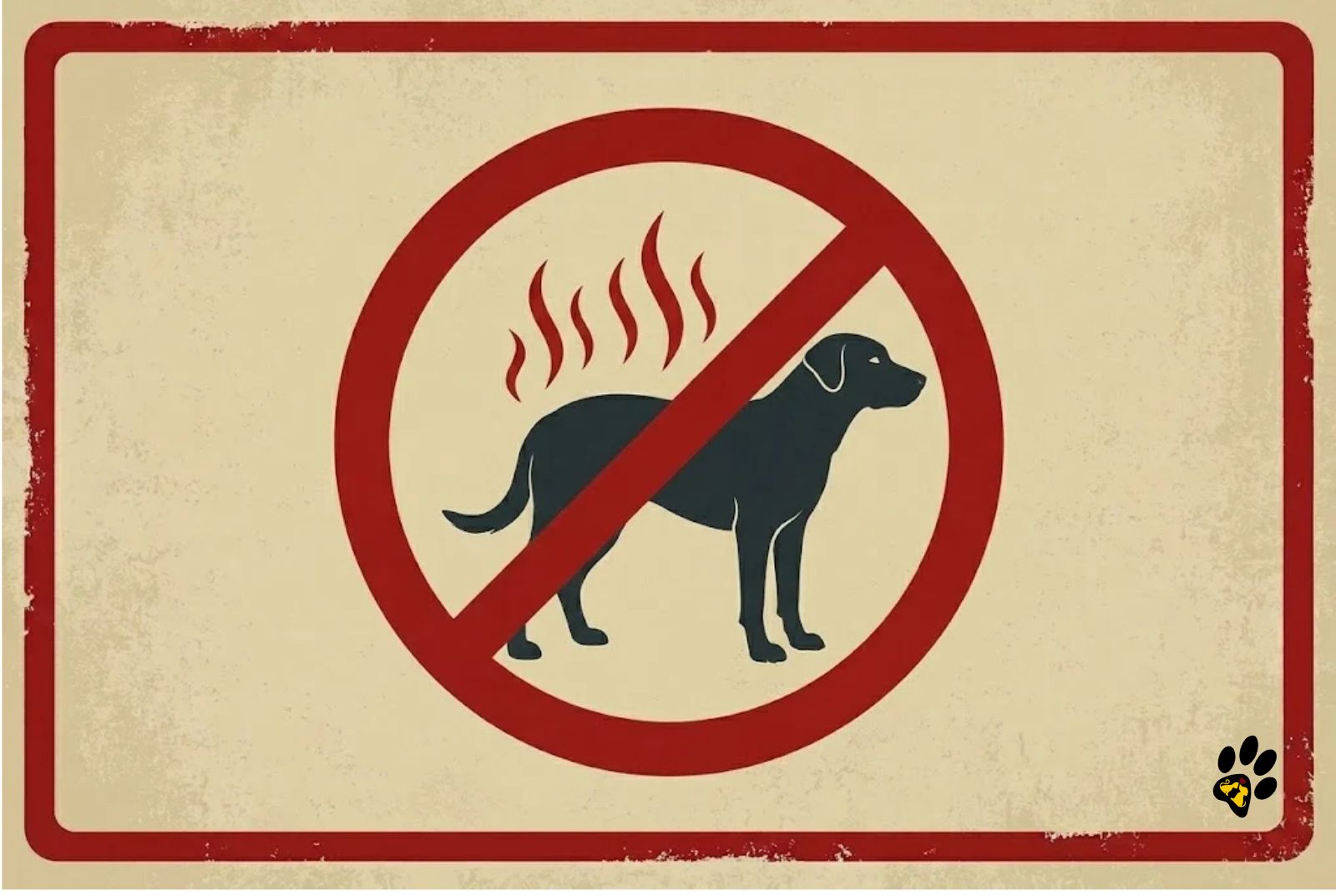
One of the most dangerous misconceptions is that a female dog in season (on heat) is safe to walk in public as long as she is leashed and accompanied. While technical municipal clauses may distinguish between an unsupervised stray and a leashed pet, walking a female on heat in public is an exercise in extreme recklessness.
When a female is in season, her scent emits powerful pheromones that trigger intense, primal instincts in intact male dogs from blocks away. Walking her down a public street practically invites chaos. A male dog driven by pure biological drive does not pause to read the situation, and he certainly doesn't care that your dog is on a leash—he will charge. Furthermore, an average person holding a leash stands zero chance of physically overpowering a determined, adrenaline-fueled male dog looking to fight or mate. Someone—whether it's you, a bystander, or your pet—is going to get hurt.
The Letter of the Law vs. Common Sense
Relying on a technicality to walk an unprotected female in public is a severe failure of guardianship. Creating a high-stakes traffic hazard and inciting neighborhood dog fights puts your entire community at risk. When a female is in season, her exercise, relief, and enrichment must be strictly confined to secure, private property.
The Kahu Mindset: Community Guardianship
True animal guardianship extends far beyond our own front doors. It means making decisions that protect our own pets while also respecting the safety of the entire community. If your dog is sick, highly reactive, or in season, keeping them securely at home is the only responsible choice.
Professional pet sitters are trained to recognize these exact risks. A true professional will always pivot a care plan to keep a dog safe, enriched, and exercised on their home turf rather than risking a highly dangerous public encounter.
Up Next in Part 2: Think your leash is secure? We tackle the dangerous reality (and legal requirements) of who is actually strong enough—and old enough—to hold a powerful dog in public.